Preventing a Kinked Cannula in Surgical Procedures
Wiki Article
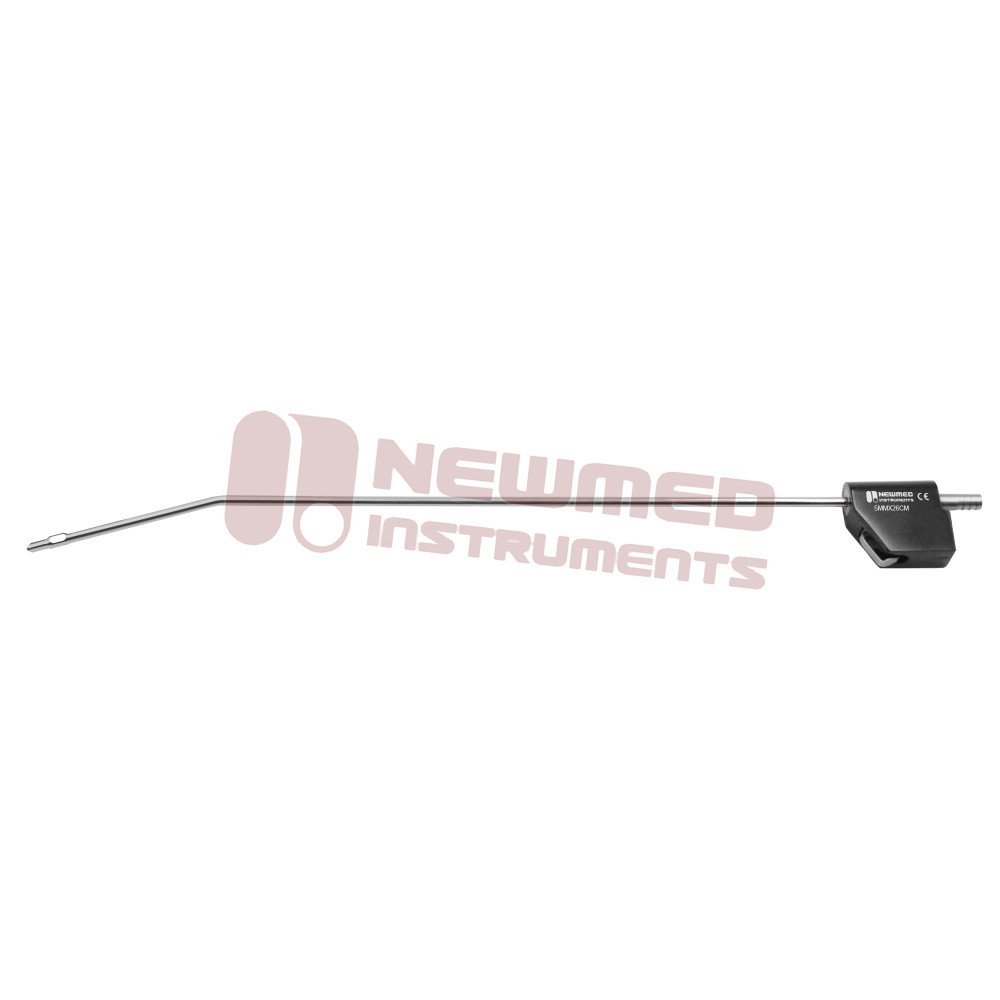
In the high-stakes environment of the operating room, every detail matters. The precision of a surgeon's hands is paramount, but the quality of the instruments they use is equally critical to a successful outcome. One complication that can arise from suboptimal equipment is a kinked cannula, a seemingly small issue that can have significant consequences for both the surgical procedure and patient safety. Understanding the causes and prevention of this problem is essential for maintaining the highest standards of care.
The Impact of a Kinked Cannula on Surgical Flow
A cannula is a kinked cannula vital tool in numerous procedures, providing a port for fluid administration, drainage, or the introduction of other instruments. When a cannula kinks, it obstructs this pathway. This can interrupt the flow of the surgery, forcing delays as the team addresses the equipment failure. Such interruptions can increase procedure time, potentially leading to greater patient risk and disrupting the surgeon's focus. The primary goal is to maintain a seamless workflow, and a reliable cannula is a cornerstone of that objective.
Material Quality and Instrument Design
The root cause of a kinked cannula often lies in the material and design of the instrument itself. Cannulas made from inferior materials or with poor structural integrity are more susceptible to bending and kinking under the normal pressures of a surgical procedure. Flexibility is a desirable trait in some applications, but it must be balanced with durability and resistance to collapse. High-quality cannula for liposuction surgical instruments are engineered to withstand the rigors of their intended use, minimizing the risk of equipment failure at a critical moment.
New Med Instruments: A Commitment to Precision
For surgeons, students, and healthcare professionals who demand excellence, the choice of supplier is crucial. New Med Instruments is dedicated to providing superior surgical instruments that are designed for perfect and precise results. Our products are crafted to meet the specific needs of surgeons, whether they are establishing a new practice or refining advanced techniques. We understand that preventing issues like a kinked cannula starts with uncompromising quality in the manufacturing process, ensuring our instruments offer the reliability and performance needed for optimal patient outcomes.
Proactive Steps for Prevention in the Operating Room
While selecting high-grade kinked cannula instruments is the first line of defense, proper handling techniques in the operating room also play a role. Healthcare professionals should be trained to handle and insert cannulas correctly to avoid placing undue stress on the device. Careful patient positioning and securing the cannula appropriately can further reduce the chances of kinking. By combining superior instruments from a trusted source like New Med Instruments with best practices in the surgical suite, medical teams can effectively mitigate the risk of equipment-related complications and focus on delivering exceptional patient care.
Report this wiki page